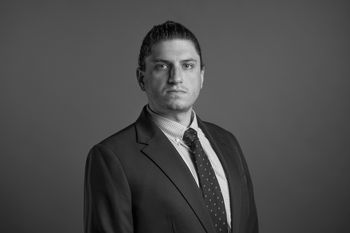
UT Austin conducting audit of all classes after new president promises to restore trust
Audit aligns with new state mandates and aims to broaden academic scope, promote intellectual diversity, and rebuild public trust
The University of Texas at Austin is conducting a university-wide audit of all academic programs, a move initiated under new President Jim Davis as part of his effort to strengthen academic balance and restore trust in the institution.
The review began in September and will evaluate every course and degree program to ensure they align with both the state’s new higher education requirements and the president’s broader goals for curriculum reform.
The initiative comes as Texas Senate Bill 37, which requires public universities to reassess their core curriculum every five years, takes effect.
[RELATED: UT System launches review of gender studies courses amid scrutiny over LGBT content]
University officials told The Daily Texan, the official newspaper of UT Austin, that the audit supports Davis’s long-term plan to provide a well-rounded education that exposes students to a variety of perspectives rather than narrow academic specialization. As part of the process, a Core Curriculum Task Force made up of faculty members will submit recommendations for revisions by May 2026.
Davis, inaugurated as UT’s 31st president in October, has made rebuilding public confidence in higher education a central focus of his administration.
His broader vision, partially outlined in an inauguration speech, includes creating balanced degree programs, expanding opportunities for civic learning, and addressing what he views as gaps in the university’s academic offerings.
The president has previously emphasized that universities must provide students with a comprehensive education that cultivates critical thinking and engagement with diverse viewpoints. The establishment of the School of Civic Leadership, which began classes this fall, reflects this mission by incorporating coursework in political philosophy, civic studies, and open dialogue.
Some professors, particularly in smaller departments, have voiced concern that the audit could lead to reduced course offerings or the elimination of entire programs.
Karma Chávez, president of the university’s chapter of the American Association of University Professors, warned that such changes could be a “grave threat to academic freedom.”
The curriculum audit represents one of Davis’s first major actions as president and underscores his goal of restoring trust between universities and the public.